Showing posts with label Luc Thuku. Show all posts

Sunday, January 14, 2024

Epiphany 2 B - January 14, 2024

Holy Cross Monastery, West Park, NY

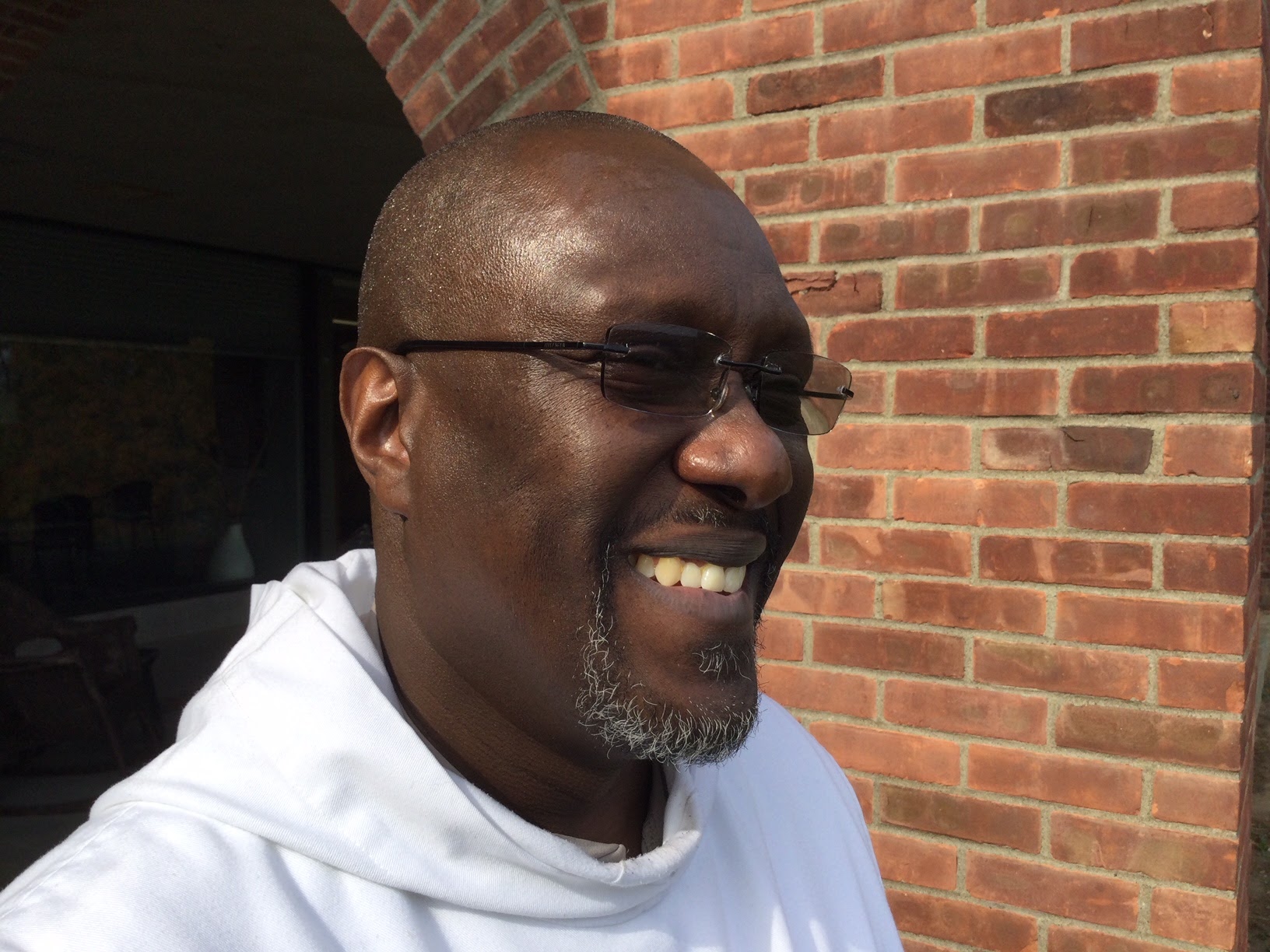
Br. Luc Thuku
The Second Sunday after the Epiphany, January 14, 2024


Click here for an audio of the sermon


Dear Friends we gather again this morning to celebrate the Lord’s resurrection in a Special way this season of Epiphany when we continue to remember God’s manifestation of self through His incarnate Son Jesus.

In our first reading and Gospel today, we hear of two individuals being called. The first one is Samuel who was called directly by God. As a young man and inexperienced in the ways of God, he didn’t know who was calling or how to respond but luckily he was not going about it alone. He had Eli, an experienced guide who had the spirit of discernment and who after being woken up a third time by his protege was able to discern that it was God who was calling the young man. Eli would have been angry about being woken up by Samuel repeatedly. He would have ignored him or be rude to him. Eli would have chosen to use the little ‘child psychology’ he had and tell Samuel that he was not his absent father or his judgemental mother; but he was a true priest and a true man of God! I am sure we know of people who hold positions of spiritual authority who have no time for their charges and/or who leave them insulted every time they encounter them.

Strangely enough, when Samuel eventually answered God with the response Eli had coached him to use, the message that came through was for Eli. Shocked, Samuel didn’t know what to do with the prophecy of doom directed to his mentor.

Eli’s sons Hopni and Phinehas were priests just like their father. However unlike their father, they were bad priests. Scripture actually calls them scoundrels! They kept for themselves meat that people sacrificed to God which was against the law. They carried out every imaginable atrocity including raping women who served at the tent of meeting…sounds familiar? Like some of our modern day priests and preachers, they were wolves in sheep’s clothing. Eli tried to stop them but they ignored him which means that they neither respected him. Eli should have relieved them of their priestly office but he did not and therefore God had to intervene and hence the message through young Samuel.

God may be patient, kind, merciful and long suffering but as He shows in this case, He will nor tolerate abuse of power forever. God is a defender of the oppressed, of the abused, of the despised, of the hungry and of the destitute. He will equally not tolerate sin in whatever form. Scripture tells us in 1 Peter 1:15-16 that God is holy and we too must be holy!

So what happens when the Christian becomes the oppressor? I am sure it is hard to fathom a Christian being an oppressor but remember slavery was theologically backed and condoned by preachers and good Christians practiced it; apartheid was condoned and theologically backed by preachers and good Christians went along with it…“But that is in the past” one might be tempted to say… Yes, but what about the Mexican and other Latin American immigrants, the men and women working in our ‘Christian’ owned farms as we speak despite it being a Sunday, to produce the food that our ‘Christian’ nation will most probably end up wasting? What about the Asian and African immigrants changing our elderly parents’ diapers in the nursing homes around this ‘Christian’ nation for peanuts?… “But they are fairing better here than in their ‘shithole’ countries” if I may borrow from Mr. Trump’s sick vocabulary! Yes they do I agree, but does that justify paying them wages that keep them enslaved and treatment that is at times worse than we accord our dogs and other pets? What about the African American male who cannot move anywhere near me or my business because they are threatening…just by their being? The reality my dear brother and sister is that we, good Christians that we are, have blind spots.

In many ways throughout our lives, we have been oppressed either literally or figuratively. Those moments are easy to identify. However, what we don’t see are the many instances in which we, although at times accidentally, assume the role of the oppressor. All of us are guilty. Not any single one of us is spotless and if we think we are, we are lying to ourselves and others and do not deserve the name Christian.

The second individual whose call we hear about today is Nathaniel. Nathaniel unlike Samuel did not get called by the Lord directly. There is an intermediary, Philip. In this short story about the call of Nathaniel, we encounter enthusiasm, prejudice and extraordinary insight. These three things are a reminder today that we share not only a common humanity with the people of Jesus’ time but also traits and characteristics that enliven and sometimes make our day to day lives difficult and sad. Philip and Nathaniel, just like you and me were prone to moments of enthusiasm and almost unconscious prejudice.

If we first speak about Philip before we go to the main character of our passage Nathaniel, his encounter with Jesus had been a dramatic and life changing event. Jesus was direct with him. When Jesus met him, he asked him to join the small group of followers that he was forming. Philip dropped what he was doing and followed. There may have been more to the encounter than we know that might have added to the extraordinary excitement that made Philip go to find Nathaniel. Whatever it was that impressed him so much, Philip was hooked and he was charitable enough to want his friend to come and share in his new found experience.

Nathaniel on the other hand thinks Philip has lost it. To a Jew worth the name, the people who lived in Nazareth were not only rural backward people but were also a racially mixed community, therefore impure, and hence his famous retort… “what good can come from Nazareth”. Nathaniel was just like us who encounter and even perhaps in our unguarded moments exhibit judgement. We ask each other for instance in Kenya, what good can come from such and such a tribe, in Africa, what good can come from Nigeria, and in the West what good can come from Africa or the third world! Prejudice is as old as humanity! The beauty of this particular passage, however, is that John does not attempt to whitewash the character of the disciples. Despite what we might want to, or at times do, think of them, we encounter them as real people, their beautiful and ugly sides together. The reason why Jesus chose people who demonstrate the same failings we meet in the people we encounter in our lives is the same reason he chose us.

I am sure Philip being Nathaniel’s friend knew that Nathaniel had a sarcastic side and all. He therefore risked embarrassment, humiliation and even rejection when he went to call him. He however had inner conviction that if Nathaniel could meet Jesus, He would be convinced that despite him coming from that ‘godforsaken’ town of Nazareth, he was also the Messiah, the Savior, the Redeemer that Jews had hoped for ever since the fall of Adam.

Jesus saw in Nathaniel a totally honest but blunt person. He did not allow Nathaniel’s prejudice against his home town and its people block his view of the good in him as a person. Jesus saw the potential of what Nathaniel could be. He loved and accepted him just as he was, without an attempt to change or ‘fix’ him. The encounter was so revealing and life giving to Nathaniel that he made his confession of faith there and then…”Rabbi, you are the Son of God! You are the King of Israel”.

When we became Christians, we too encountered the living God. A courageous person like Philip, be it our parents, evangelists or missionaries cared enough about you and me to bring us to the place where God is. Jesus looked into our souls and judged you and I to be the person he was calling. Sinful as we were, Like Nathaniel, we had the potential to be the type of people Jesus calls to be his intimate followers, his beloved brothers and sisters. Filled with this knowledge, let us therefore affirm our faith again that Jesus Christ is the Son of God, our king, our redeemer and sustainer. Let us also remember that we have a duty and service to represent Jesus to others. He calls us because he knows us. Jesus calls us like Nathaniel, despite our looking down on people and our prejudices against others in our day, to be changed by our encounter with him. An encounter with Jesus calls us to engage people in the totality of their being. Whatever their race, background, class, level of education, wealth or poverty, mannerisms and behavior, all are to be brought to Jesus. We are to evangelize them holistically. True evangelism for Jesus is concerned not with ‘fixing’ people but about poverty, disease, hurt, grief, discrimination, injustice and not of least importance sin!

Paul in our second reading this morning singles out sexual sin and describes how it affects the body and spirit of the sinner. Sin displaces Jesus from our bodies, which are His temples and therefore to get our relationship with Jesus back on track when we fail, we need to repent and once again enthrone the Lord Jesus in our hearts. May we get good guides and spiritual authorities like Eli who will help us to listen and discern the Lord. May we get good Apostles like Philip who will risk all to bring us to the Savior because while we still live in this world, we all need the Savior.

Amen.


Sunday, October 22, 2023

Proper 24 A - October 22, 2023

Holy Cross Monastery, West Park, NY

Br. Luc Thuku OHC
The Twenty-first Sunday after Pentecost, Proper 24 A, October 22, 2023
 

Exodus 33:12-23
1 Thessalonians 1:1-10
Matthew 22:15-22


Click here for an audio of the sermon


In our first reading this morning, we hear Moses having a dialogue with God. Like most people who want a sign to believe or confirm something, Moses despite numerous Scripture passages before indicating that he spoke with God face to face, wanted God to show him a sign. He wanted another indicator. He had had many along the way. He had witnessed some very remarkable and unusual demonstrations of the divine; the burning bush, a staff that became a snake, the Red Sea parting in two, tree twigs that cleaned up polluted water, a pillar of cloud leading him and the people by night and a cloud by day, manna falling from heaven like dew and numerous other wonders. He still wants further clarity and he prays cunningly like I do, first trying to justify his position and kind of blackmailing God by reminding God of God’s part in the deal as we heard in verses 12 and 13.

Moses also asks God to guide him clearly along the way, to teach him His ways; a good thing indeed! Most of us like being guided. We crave to be taught God’s ways. We like to know the paths we are to take, to be shown the right way. We are a people hungry for guidance. We long for direction. We are like wanderers lost in a jungle or in a desert who cry out to God to show them the way or even to give them a sign in the sky! God however created no sign for Moses in the sky, nor laid a blue print down on how things will proceed. He did something better.

God replied Moses’ prayer, his request for a sign, by assuring him that God’s presence will go with him and that God will give him rest(Exodus 33:14). God personally and providentially led Moses and the nation of Israel. He offered to be the guide as opposed to offering guidance. He promised to accompany them and to be with them. He was not going to be an isolated God who lived in some heavenly domain but rather a God who chose to come down and live among His people. He would walk with them side by side as a friend.

Guidance for a Christian comes from an ongoing relationship with God. God wants us to know Him. Being guided by Him is part of that relationship. It is better than signs in the sense that signs are temporary whereas a relationship is permanent. Signs can be misread, misinterpreted, and in some cases not seen at all. God wants to lead us in our journeys, every step of the way through rain and sunshine.

In the verse immediately preceding the start of our passage today, verse 11 of Exodus 33, we are told that “the Lord spoke with Moses face to face just as a man speaks with his friend.” This verse speaks of the reality and depth of communion between Moses and God. Moses was God’s friend not because he was perfect, gifted or powerful. They were friends because friends trust each other and talk to each other on top of sharing common interests. God did not always provide a signpost or send Moses memos to direct him but that did not matter. He knew with whom he was going and that was all that mattered! We as Christians must get to know God first if we want to know God’s will. The guidance revolves around the relationship. If we seek the guide more that guidance, we will see the sign we are looking for and on top of that wonderful benefits.

The greatest of the benefits that comes from being in a relationship with God is His enduring presence. God, the ruler and creator of the universe walks with us, He is our companion, our friend. The whole world may walk out on us but God never will. We have His word on that. God also promises us rest as He promises Moses in verse 14…“and I will give you rest!” The rest promised here is a rest that happens while we are still on the journey, a rest that reaches down to the inner depths of our being. It is not like our weekly Sabbath rest, our annual vacations or family visits, or even the retreats that we do. It is not a mere cessation of our activities or struggles but a calmness, a fulfillment, a security that only comes from knowing and walking with God. It is solitude…a solitude that gives us wisdom to find God and His ways. It comes to us as a testimony of trust, the knowledge that gives us feelings that make us confident, secure and victorious.

God’s presence makes us a holy people, a people set apart and distinct. This distinguishes us from the rest of society, not because we are special or better than they are. We are different not because of what we do but rather because of what God does in and through us. We are holy only when we take God’s accompanying presence seriously. When we are consciously and continually aware of God’s presence, it will impact our talk, our behavior, and our thoughts. It causes us to think differently, act differently, love differently and serve differently. It calls us to stand out in the crowd, to be distinct, to be separate and even to be unusual.

In verse 18 of our text, we hear Moses pleading with God to let him see His glory. This glory accompanies God’s presence because of God’s majesty. The heavens declare this glory, creation testifies to it and authentic Christians reflect it. The glory of God is all around us. We come to understand and sense it, not in its entirety just like in the case of Moses because of our human condition.

God also promises Moses His goodness. The goodness of God is a concrete manifestation and experience of what God has done and is still doing in the lives of His people. God also promises to be gracious to whomever He is gracious and to have compassion on whomever He chooses to have compassion. The grace of God is therefore an unmerited favor…It is a gift. Many times on our earthly journey we may deserve justice but God instead grants us favor. This is because God’s heart is of love and compassion.

God’s glory, goodness and grace are however interesting in the sense that we mostly see them afterwards not when they are happening. We mostly see them when we look back and see how God has shown up and worked for us. We see bad situations having worked for our good. We see the misfortunes and tragedies that befell others and say “it is only by God’s intervention that I survived!”

Moses wanted to see the glory of God. He wanted to see God’s face but God knew it would overwhelm him and kill him. God therefore hid him in a crevice of a rock and covered him with God’s hand until God has passed and  then removed the hand so that Moses could see the back of God. Moses did see the visible appearance of God, not God’s face but back. We too like Moses are being led by God if we have developed a relationship with Him. We do not see God’s face but His back. We do not see His face because we cannot see Him coming. We see His back because we see where He has been and what He has done. God does not point the way but He leads the way.

This is the point that Jesus is making in the Gospel today when he tells us to give to Caesar what is Caesar’s and to God, what is God’s. We belong to God who never abandons us. We can only lose God if we turn our backs on him which then means that we are no longer following Him. We give to God what belongs to God, in other words, ourselves. We take the trust of God and invest it in lives of worship. Sometimes that worship is in private, at other times it is corporate and the rest of the time it occurs in the sphere of our daily work and service. Ultimately, giving ourselves to God means that we give ourselves to the world but there is a caveat to giving ourselves to the world, that is, we should only give ourselves to serve the world but not to its ‘values’ which most of the times turn out to be vices.

Most of our denominations, especially the so called Liturgical or High Churches, have exchanged the message of repentance and salvation with the pursuit of Human Rights and Social Justice in their attempt to fit in the world or being ‘woke’ as it is being called nowadays, and this is not a bad thing, but it is not THE thing. It is difficult at times to tell the difference between some denominations and human rights organizations like Amnesty International or Human Rights Watch. Unfortunately not every right that is claimed by people is morally upright or in accordance with God’s will, or leads to a relationship with God. The church in the world is called to stand as a moral compass, a sign of contradiction; and that we cannot do by baptizing evil or blessing evil and convincing ourselves that it is now holy. We deceive ourselves and mislead others in the process and only repentance can save us from the wrath of God that we heard is coming from the second reading. The Evangelical and Pentecostal Churches are also fairing no better. They have exchanged the true gospel with prosperity gospel and fake miracles all in the pursuit and service of wealth and fame…and what about monasteries that are supposed to be a prophetic voice, first to the church and then to the world? Most have been sucked in by denominational values and principles, by self-preservation efforts, and by working for financial security and stability henceforth rendering to Caesar instead of giving God what is God’s.

The call this morning my brothers and sisters is for us to offer ourselves afresh to God, to receive Him in our lives and to allow Him to guide us in all that we do and are. He sent His son Jesus to facilitate this relationship. It is that Jesus who is inviting us this morning to come to him just as we are. It doesn't matter where you are at, what you have done or how worthy or unworthy you feel. Signs are increasingly becoming evident that the end of the world as we know it is here and if we are true believers of the Word, then we know that there is judgement coming followed by eternal life or eternal damnation. Choose wisely, choose life.

AMEN

Sunday, September 3, 2023

Proper 17 A - September 3, 2023

Holy Cross Monastery, West Park, NY

Br. Luc Thuku OHC
The Fourteenth Sunday after Pentecost, Proper 17 A, September 3, 2023
 
Exodus 3:1-15
Romans 12:9-21
Matthew 16:21-28


We gather this morning to worship God, to be taught by His Word and to be fed at the table of communion. The theme of being called to loving service seems to stand out in our readings today but more than that we are presented with encouragement and strategy on how to live our lives of faith as we offer joyful service to God by serving our neighbor.

In the first reading this morning from the book of Exodus, we hear the call of Moses who was going to be God’s instrument of delivering the Israelites from their slavery in Egypt. Now, Moses would be the most unlikely candidate for the job, if I were the one doing the calling or if I were to have been a member of the selection committe. He was arrogant, temperamental, a murderer, a doubter on top of having a stutter. He did not seem to have the right qualifications that we earth dwellers consider important or essential for such an important ministry. God however called him from the ordinary circumstances of every day life despite his shortcomings.

Moses was minding his business of tending his father-in-law’s flock and not looking for an encounter with God or some spiritual experience. Despite who he was and where he was, God broke through to him with some drama that involved a burning bush to draw his attention. Instead of running away in fear, curiosity drew him closer to the bush to investigate what was really going on. The holy can only break through to us when we drop our defenses, and this happens when we are caught off-guard but not necessarily by something as dramatic.

First and foremost, God wanted to establish a relationship with Moses and that is why He tells him He is the God of his ancestors Abraham, Isaac and Jacob. God wanted Moses to not only know Him, but to know Him personally. This is crucial in the sense that it is only when we have had a personal encounter with God, that leads to a personal relationship with Him, that we are able to serve Him whole heartedly. That personal relationship is what gives us conviction that we are personally called for this or that mission. It gives us the courage to soldier on when our motives are questioned otherwise we will be easily shaken or discouraged from taking the direction that God wants us to go.

Knowing that God is in our hearts gives us the courage to risk, and sometimes the courage to fail, because we know that even in our failure as persons, God can still bring success for His plans. Knowing God is with us transforms our whole perspective on life. It helps us look at our imperfections differently and helps us understand that in spite of them, God still wants to establish a relationship with us.

For humanity, God has only one master plan which is salvation. God desires us to be freed from whatever that enslaves us and causes us suffering. We are enslaved by sin, by addictions, by pride, by friendships and so on, but whatever we call it, it is most often an enslavement of our own making. God wants to free us from all these and to use us to free others.

Moses attempts to resist God with a lot of seemingly valid reasons but God promises him help and offered to provide all he needed for the specific task that he was being given. God never told Moses that it was going to be easy. He just promised to be present. Moses was to act in faith. Faith does not make things easy but it makes them possible. The call of Moses is therefore crucial in helping us understand the call or mission of Jesus and our own calling as is made evident in our Gospel reading today.

“From that time on, Jesus began to explain to his disciples that he must go to Jerusalem and suffer many things at the hands of the elders, chief priests and teachers of the law, and that he must be killed, and on the third day be raised to life”. (Matthew 16:21) In these few powerful words Jesus reveals the whole purpose of his earthly ministry, that is, the father’s divine plan for the salvation of all Human kind and the good news or gospel if you like that he, the Christ, had come to suffer, die and be raised again for the forgiveness of our sins and the sins of the whole world.

Peter, the one who had a few verses before proclaimed Jesus as the Christ, the Son of the living God(Matthew 16:16) could not comprehend what Jesus was revealing to them and tells Jesus that that will never happen to him. I understand Peter very well. In fact I empathize with him. He was Just being like all of us who at times practice what is called selective hearing. We either hear what we want to hear or pick a word or two in a sentence and draw a conclusion out of context. Peter seems to have only heard the words ‘suffering’ and ‘death’ but never heard or at least never paid attention to ‘being raised on the third day’ or even the reason why the death, suffering and rising were happening, that is, ‘the forgiveness of our sins and the sins of the whole word’! Peter and the other disciples were looking for another kind of Christ. One who preferably would dramatically enter on a horse and some shining armament, coming as an earthly savior to free them from the tyranny of their Roman oppressors. In other words, Peter and company were looking for power and glamour and were therefore not ready to hear the truth of the matter.

Jesus, however knew who he was and why he had come. He was also wise and discerning enough to look through Peter, see the devil, who was trying to discourage him from his mission and rebuked the devil and cast him away… “Out of my sight Satan! You are a stumbling block to me; you do not have in mind the things of God, but the things of men!(Matthew 16:23).

There will always be well-meaning“Peters” in our life of faith who will try to “speak sense” to us when we embark on our journeys of doing the will of God. In 2010, several months before I left Kenya for an Abbey in the high desert of New Mexico, I was invited out for lunch by a Canadian Missionary Sister, a member of the Congregation of Sisters I was working for, who was also a colleague at the program I was in charge of.

A few weeks earlier I had handed in my resignation so that they could hire a replacement for me so that I could hopefully get time to train him on the job to ensure a smooth transition. The sisters were of course very sad that I was leaving and employed several tactics to make me stay. When we finished our lunch, the sister told me that she took me out to get a chance to speak to me privately and honestly. I told her to spill.

She told me that she had gotten to know me very well for the time we had worked together, and that I was making a huge mistake leaving a stable and very well paying job to join a monastery in the middle of nowhere. She told me she understands the pull most people from the “third world” have to go to the United States and the West in general, but life there can be challenging or outright miserable. She mentioned my personality, the severe winters and cruel summers, racism, isolation and individualism, culture shock, food, and lack of a close-knit support system among things that should make me reconsider my decision. I, on the other hand, was burning with the desire to be a Contemplative Benedictine Monk and therefore could hear none of what she was saying and jokingly told her to “get behind me Satan.” We laughed, toasted with a whiskey and that was the end of the conversation.

I, of course, got to New Mexico and almost immediately all of what she had predicted to me happened! However, despite the struggles and difficulties involved, I do not have any regret because monastic life has provided me with a mirror that helped(and that continues to help) me face my inner self that was broken, traumatized and burdened with self-hate despite the happy facade that I was presenting to people. Monastic life put me on a journey of self discovery and self love which is one of the many crosses that I carry to this day. Had I heeded the well meaning advice of the sister, I would have cancelled my date with destiny and would most likely be a rich but miserable human being. I am not the happiest person on earth yet…that prize has already been taken by a Buddhist monk somewhere in the Far East. All I am trying to say is that a strong God given conviction is crucial in keeping these well meaning “Peters” at bay.

Jesus knew he had come to fulfill the will of his heavenly father and that included literally taking up his cross and following this will wherever it led to. It was absolutely necessary for him to go to Jerusalem, suffer unjustly at the hands of the wicked and hateful men who in fact thought they were holy; die a cruel death on the cross and on the third day be raised again to life by the power of God who is almighty. By doing so, he took my sins and yours, redeemed you and me from the grasp and hold of the evil one and by this forgiveness restored our relationship with the father.

Having set an example, he calls us to take up our cross and follow him. So often we misunderstand this call, mistaking at times our daily struggles as  crosses. Our cross is not something common to all people, both believers and non believers. Difficulties at work, illnesses and diseases, death of loved ones, difficulties in relationships, separations or divorces and so on, are not necessarily crosses by the fact that they are common to all human beings.

Our cross is something that is placed before us as individuals to willingly endure or suffer because we are Jesus’ followers, because we are believers, because we are his disciples! Things like forgiving those who we would otherwise better not forgive, loving the unlovable, caring for the lonely and forgotten, hugging and visiting the untouchables of our world, helping those in need without favor or discrimination, speaking truth to power wherever injustices happen, are just a few examples of crosses that individuals take up or could take up and follow Christ.

We should take up our crosses out of love. Love is also the major distinguishing mark of a Christian and as we heard from the second reading this morning from the letter to the Romans, Paul exhorts us to let our love be genuine(Romans 12:9). Genuine love is characterized by hating what is evil and clinging to what is good. The images that Paul gives are very powerful. He tells us to…let our love be heartfelt; be eager to show each other honor; be set on the fire by the spirit; be devoted to prayer; contribute to the needs of the saints and to pursue hospitality. True love is therefore fervent, relentless and practical.

Now, is following Christ closely in vain or self serving? In Matthew 16:27, Jesus reminds us that he, the son of man, is going to come in his father’s glory and he will reward each person according to what he has done. He does not promise us eternal life because of ‘what we do’ but rather because of ‘how we do’ it, that is, how willingly you and I take up our cross to follow him. The level or degree of willingness demonstrates our faith and our loving response for all that Jesus has done for us and asks of us. It is this faith that will be rewarded with the gift of eternal life.

Our work as followers of Jesus, be we monastics or not, is to individually discern the workings of the Holy Spirit in me, what cross Jesus is placing before me today and how to respond in joyful service to our Savior. The golden question this morning is… How will I take up my cross to follow Jesus…how will you take up your cross to follow Jesus?

May God in His graciousness and love give us eyes to see, ears to hear and hearts filled with compassion as we take up our cross to follow Jesus!

Amen

Saturday, June 24, 2023

The Nativity of Saint John the Baptist - June 24, 2023

Holy Cross Monastery, West Park, NY

Br. Luc Thuku, OHC

The Nativity of Saint John the Baptist - Saturday, June 24, 2023


In 1859, Joshua Abraham Norton declared himself Emperor of the United States. Norton had made and lost his fortune in San Francisco shipping but he wanted a new identity, that is, America’s first emperor. When The San Francisco evening bulletin printed “Emperor” Norton’s announcement, most readers laughed. Norton made pronouncements aimed at correcting Society's ills, printed his own currency and even wrote a letter to Queen Victoria asking her to marry him and unite their Kingdoms. He wore royal military uniforms made by local tailors. One observer said Norton looked “every inch a king” but of course he wasn’t! We don't get to make up who we are!

 Today we Celebrate the birthday of St. John the Baptist. I do not know about you but when I hear the name John the Baptist, the first thing that comes to mind is filth; a dirty smelly man dressed in a skin tied with a rope, who does not shower and who has a bad breath stemming mainly from his diet of locusts and honey, with lice and mites from his unshaven head and beard, and on top of all that a sharp tongue! John, however, is one of the most unusual and important people in the history of our faith. He bears the titles of prophet, forerunner, and Baptist because he fulfilled all these roles. He is the only other person apart from Our Lord Jesus Christ and His blessed mother Mary whose birthdays we celebrate liturgically. For all the other saints, we mostly celebrate their feast days on the date of their death. We celebrate the birthdays of Jesus, Mary and John because of their significance in the history of our salvation. Today's feast sheds light on the significance of John as the fore runner of Christ. John is regarded as the last of the Old Testament prophets and he witnessed martyrdom while witnessing to the truth. Jesus in Matthew 11:11 says that of all men born of women, none is greater that John the Baptist! This was because he made himself least although he had all the glory in Israel and many people even considered him to be the Christ. He put himself under the shoes of the Christ and even witnessed that he was unworthy to loosen the strings of Christ’s shoes.

The birth of John the Baptist was a blessing first to his parents and then to the whole of humanity. His mother Elizabeth, thought of as barren and therefore cursed, was vindicated and henceforth regarded as blessed! John was also a blessing to his father Zechariah who was told by the angel announcing his conception that “he will be your joy and delight” (Luke 1:14). It was also for Zechariah a fulfilment of the divine promise, especially when he recovered his speech to confirm the name of the boy. For humanity, the birth of John brought joy and conversion as foretold by the mouth of the angel “ many will rejoice at his birth, for he will be great in the sight of the Lord. Even from his mother’s womb he will be filled with the holy spirit and he will bring many of the Israelites back to the Lord their God. With the Spirit and the power of Elijah, He will go before him to reconcile fathers to their children and the disobedient to the good sense of the upright, preparing for the Lord a people fit for him” (Luke 1:14-17).

“His name will be John!”…says the angel to Zechariah before John was conceived. “His Name is John!”… confirms Zechariah to those who had attended the naming ceremony! In the gospel reading today, We hear of the birth and naming of John the Baptist. Here God’s graciousness was revealed to the world through the name given to the child. The name John means God is gracious! We are told that as Zechariah regained his speech as he named his child, all those who heard of it treasured it in their hearts. They wondered what the child will turn out to be and indeed the hand of God was with him.

My dear brothers and sisters, in our present day society where it seems like the light of Christ is dimmed, we are invited to contemplate upon the person of John the Baptist, who prepared the way of the Lord and bore witness to that one true light who is our Lord and Savior Jesus Christ. We are all called to reflect and bear witness to that light of Christ in bringing about true conversion to the world and a radical possession of the Kingdom of God.

We may ask ourselves how we can reflect and bear witness to Christ in our day and age. John the Baptist is our best teacher in this regard. In John 3:30, John the Baptist says that “Christ must increase and I must decrease!” We should never forget that we fell from glory through pride and that the greatest virtue that our  Lord has manifested in order to save us is his humility, the opposite of that which makes us perish. It is indeed the humility of Christ that saves us, his greatest gift that helps us find healing from our fall. The Lord himself sets up humility as a condition in order to learn anything divine. He tell us to take his yoke upon us and learn from him: for he is meek and lowly in heart (Matt.11:29). If we learn the humility of Christ, we will be able to perceive two realities, that is, the divine reality and human reality. We will perceive the presence of God in everything and in everyone and we will also perceive the falsehood in us. God has planted in us the potential to know our creator and to unite with him, and if we see God in everyone, we can honor and love every human being as ourselves. However, if we are to perceive that image in others, we need to be humble for humility attracts grace and grace is the light of life. Without humility, we remain blind and can understand nothing divine and nothing human.

The greatness of John the Baptist therefore lies in the fact that he was so humble as to be able to recognize in the humble form that the Lord assumed in order to come to us, the almighty God, the one who is. John was the only person at the time to recognize Jesus as the lamb of God and pointed his own disciples to him and these disciples eventually became the followers of Jesus and pillars of the Christian faith and of the Christian community.

In humility, there is selflessness that prepares man to receive the selfless love of God which saves and perfects. Pride is selfish and selfishness can neither love nor have communion with others, nor receive the spirit. Pride feels threatened by humility because humility is light and this light silently reveals the darkness of pride.

God’s greatness is unfathomable. He visits those who are sanctified from the wombs of their mother, like John the Baptist, but nothing prevents him from also bringing the worthy out of the unworthy, and reveal great people by healing their woundedness. We should not compare people’s journeys of faith because each is unique, but those who receive grace having been wounded by sin before, are more able to appreciate grace, humble themselves, have great gratitude and make great strides. Therefore take heart, brethren, for there is hope for us!

So what is in a name? In our opening story, Norton thought that by declaring himself emperor he had become one.  He thought a new title would make him re-invent himself and even make him popular. That never happened. It only succeeded in bringing out sarcasm and fun to those who heard about it then, and to those who read about it now. John on the other hand was named by God and lived up to his name. He pointed others to God’s graciousness and lived a gracious life. He fitted in God’s plan for him unto death.

Many of us spend years searching for who we are and wondering what value we posses. We stress trying to name ourselves and trying to create identities that most of the time alienate us, when only God can truly tell us the truth about who we are. Thankfully, God calls us sons and daughters when we encounter and develop a relationship with him through His son Jesus. John 1:12 tells us that  to all who receive him, he gave the right to become children of God”. This identity is purely a gift. We are his beloved children “born not of human decision but born of God” John1:13.


Amen


Sunday, December 4, 2022

Advent 2 A - December 4, 2022

Holy Cross Monastery, West Park, NY

Br. Luc Thuku, OHC

Advent 2 A - December 4, 2022


We gather again with joy this morning to celebrate the second Sunday of Advent. Advent as we know is a season in the church calendar dedicated to the hopeful anticipation of the arrival or ‘coming’ of Jesus. This advent can be a commemoration of his coming as a baby, 2000 plus years ago, which culminates with Christmas; or the second coming in glory that we hope and wait for, our salvation. During this period, as a young Christian, we were encouraged to engage in meditation, prayer, and scripture study that emphasizes hope, peace, love and joy.

From the first story in the Bible to the last, we see narratives, poetry, prophecy, biographies and personal letters that inform our understanding of the Advent of Jesus in unique ways.

One such passage is what we heard from in the first reading today. The prophet Isaiah speaks of a Messianic King who will manifest the characteristics of the great people of Israel up to David. It claims that life will spring forth from the injured stump of Jesee and a branch shall grow out of his roots. This reference is very important to Israel’s history because of the many exiles they had experienced, although the text specifically speaks of or imagines a new beginning for the monarchy of Judah. 

In this hopeful future, the Spirit of God will descend upon the ruler resulting in Justice for the poor and lowly of the land as we hear in verse 4 of the text. The text also speaks of the re-ordering of creation’s priorities in verses 6-9, where life emerges from death and a return to the original harmony of Paradise.

The concrete expression of this new future is a person, a ruler on whom the Spirit will rest; a human being who embodies what is best in the traditions of Israel. This ruler will be wise and understanding, powerful and effective in war, able to judge for the benefit of the poor, and obedient to God. So glorious is the reign of this king that he is literally clothed in righteousness and faithfullness.

As Christians, it is not hard to see ourselves as the nation ruled by this monarch, Jesus of Nazareth, the Jewish descendant of Jesee through David. A close comparison though, between the expectations of the king described in our passage and the ministry of Jesus reveals some strong differences. Jesus had a strong ministry and continues to minister graciously in the present through Word, Sacrament and through works of mercy carried on by his faithful disciples. However, evil still flourishes in the world, the poor and meek remain afflicted, predators continue to kill their prey and violence is still done on God’s Holy mountain. The earth is still very far from being full of the knowledge of the Lord. Christ’s victory therefore falls short in human terms; it remains a hidden victory or an unacomplished victory which is disappointing at times.

Bruce Springsteen in his song “Reason To Believe”  expresses this disappointment in song….
Seen a man standing over a dead dog
By a highway in a ditch
He’s looking kinda puzzled
Poking that dog with a stick
Got his car door flung open
He’s standing out on highway 31
Like if he stood there long enough
That dog’d get up and run

Struck me kinda funny
Seemed kinda  funny, sir, to me
Still at the end of every hard day
People find some reason to believe

Now, Mary Lou loved Johnny
With a love mean and true
She said, “Baby, I’ll work for you every day”
And bring my money home to you
One day, he up and left her
And ever since that
She waits at the end of the dirt road
For young Johnny to come back

Struck me kinda funny
Funny, yeah, indeed
How at the end of every hard-earned day
People find some reason to believe

Take a baby to the river
“Kyle William” they called him
Wash the baby in the water
Take away little Kyle’s sin
In a whitewashed shotgun shack
An old man passes away
Take the body to the graveyard
Over him they pray

Lord won’t you tell us
Tell us-what does it mean?
At the end of every hard-earned day
People find some reason to believe.

Congregation gathers
Down by the riverside
Preacher stands with a Bible
Groom stands waiting for his bride
Congregation gone and the sun sets
Behind a willow weeping tree
Groom stands alone and watches the river rush on
So effortlessly

Wondering 
Where can his baby be
Still, at the end of every hard-earned day
People find some reason to believe 
Can we therefore conclude that Jesus was a failed Messiah? I would say No…but we need to agree that his ministry is still fundamentally incomplete. It is fundamently incomplete mainly because we misunderstood the message and failed to see our role in it. We took it literally that when he comes things will change and decided that we are passive observers rather than active participants. The mess in the world is mostly of our own making either by omission or by commission, through blatant disobedience, ignorance or misinterpretation of scripture.

This passage from today therefore reminds us Christians that we should still long for the Messianic completion of creation, the so called second coming or parousia. We therefore should not judge the Jews who have historically struggled to see Jesus and his ministry as Messianic because we too are looking forward to it’s completion. Our waiting for the second coming, however, should be an active waiting. Since it will be a kingdom of Justice, we must right now work for justice…it will be a Kingdom of equality, so we must now work for the equality of all…A kingdom of harmony, then we should right now strive to live in harmony with one another…a Kingdom of friendship, then right now we must try to become each other’s true friend in the Lord…a Kingdom of brothers and sisters, then we must right now start coming closer and closer to our neighbors. This in other words means that we must reform our lives for the Kingdom of God is at hand.

We are invited by this text to celebrate the ministry of Jesus in the past, and especially in the present, but also keep in mind the important place of intercession and work so that creation may arrive at its promised destiny as a place where peace, Justice and grace have the final word. 

Advent is about hopes and longings. We all yearn to be with people dear to us and especially with Jesus, whose second coming we so look forward to. This is because the world we live in is fractured and needs healing and peace, a healing and peace that only he can give. 

The delay of something much longed for can result in angst and pain but when the desire is fulfilled, it is like we have accessed the tree of life, an oasis in the desert, something that allows us to feel refreshed and renewed.

During the waiting and longing times, praying and pondering the wisdom of the Bible has at times helped me greatly as a person. Paul reminds us in the second reading that we heard from Romans 15:4-13 that whatever was written in the scriptures is for our instruction so that by their steadfasteness and encouragement we may find hope. That is why I recommend the wisdom of our religious educators that I mentioned at the  beginning, that we read scripture texts that emphasize hope, peace, love and joy.

Some of our hope and desires might not be fulfilled right away. Some, in fact, might only be met through God when we die. Whatever our longing, we can trust in Him knowing He loves us unceasingly, and that one day we will be reunited with Him, behold Him as He truly is, and praise Him with Thanksgiving. “May the God of hope fill you with all joy and peace in believing so that you may abound in hope by the power of the Holy Spirit”[Romans 15:13]

Let us pray:
God our creator, you fulfil our deepest longings. We give you our hopes and our desires, asking you to grant them according to your wisdom and love
Though Jesus who comes.
Amen.

Sunday, October 16, 2022

Proper 24 C - October 16, 2022

Holy Cross Monastery, West Park, NY

Br. Luc Thuku, OHC

Pentecost, Proper 24 C - October 16, 2022


We gather again this morning to encounter God in Word and Sacrament, as well as to give thanks to God for the far he has brought us and to offer ourselves, our petitions and intercessions for others to Him. This we do with faith, hope and trust that He is with us just as He has been with us in the past and that He will never abandon us in the future.

A woman in Kenya got married around 1965 and like every other woman of the time was expected to immediately bear and rear children to carry on the family name. She however stayed for 6 years before she gave birth to her first born child, a son. After that her womb seemed to have been closed again because she kept trying to conceive but could not. When the boy was 9 years old, he fell gravely ill with appendicitis which in the late 70’s and early 80’s was a killer illness in Kenya. Her life was crashing and her fear of being childless returned all over again. While the boy was in hospital recovering from the appendectomy and a co-infection picked up in the hospital, the mother decided to keep herself busy and went to work in her small scale farm with some ladies who were working for her as casual laborers. As is usual in my culture, as people work together they talk and sing. 

At some point, this mother overwhelmed with sorrow sat down and wept bitterly. One of the casual laborers a lady who had a horrible speech impendiment came and sat next to her, broke a twig from a branch that was laying nearby and on the ground drew a Cross. She then stood up and went back to continue working with the others without saying a word. The mother slowly got to her feet, picked up her hoe and joined her workers. Although outwardly nothing had changed, she had received hope inwardly and an assurance that she could not put in words. To cut a long story short, the boy recovered and when the mother went to fetch him from hospital, she had a vomiting episode followed by diziness and when the doctors tested her, she was found to be pregnant and not just with one child but with a set of twins. After that set of twins, she went on and gave birth to 6 other children and she is the proud mother of one of the larger families in my village. This story had a happy ending…most don’t. We shall come back to this in a moment.

In the first reading we heard this morning from the prophecy of Jeremiah, We hear the prophet speak a reversal of Judgement. Israel had to suffer exile for her sins but God intends to reverse the exile, restore them to their land and gives the promise of a new covenant. Israel will become a new People of God in some day to come. They will get to know God to the fullest sense and will have God’s law written in their hearts. Finally and most important of all, they will experience a complete and total forgiveness of sins. 

Our first reading gives the first sign of God acting to restore the covenant as re-population of the land with offspring of both people and animals. This Verse (Jeremiah 31:27) is important and relates to the story I gave in that while my friends mother was crying to God for children, she kept reciting this verse and claiming it for herself and she claims God heard and fulfilled this promise to her personally.

The exiles were lamenting in their misery, and being human like all of us, were most likely asking ‘why me’ in an effort to make sense of their situation. The end result was blaming God for punishing the wrong people although we do realize the truth of the fact that God occasionally punished the children and their children for the sin of the parents to the third and fourth generation in scripture. 

This we can relate with today when we see the intergenerational consequencies on children, of parents, especially those sent to jail for commiting crimes. The fact that the sins of one generation has consequencies on another is however not the same as saying that God punishes an innocent group for the sins of another group that is guilty. The problem with sticking to this understanding of generational curses or punishment, however, is that when bad things like exile, war and the like come, people have a tendency to think they are facing the consequenscies of the behaviors of others and often fail to admit culpability for their own situation.

Verse 30 of our text, however, tells us that people will be punished for their own sins, not the sins of others. I, and hopefully I am not wrong when I say most if not all of us, have enough sins in my own life to justify any punishment from God. To blame someone else will not work. The old order has been turned over and a new maxim is put in place that, whoever eats sour grapes will have their own teeth set on edge… his and nobody elses!

God also promises a restoration of relationship with the people with a new covenant that will be characterized by the knowledge of God being planted in people’s hearts. This time will be an era where the people of God will include more than the inhabitants of Israel and Judah. The knowledge of God will be for all nations and languages. We know that although the restoration begun with the return from exile and the rebuilding of the Temple, it was not fully established until the coming of Jesus  who established a covenant not based on the law or ancestry, but purely on faith in him, whose death paid the price for our redemption and inclusion.  It is this Jesus whom we hear in the gospel today instructing us on how we ought to relate with God and others.

If we go back to the story we heard at the beginning, what the stuttering woman did to my best friend’s mother that morning in her small farm, Jesus does for us today in the Gospel through the story of the widow and the Judge. My friend’s mother so much needed a renewal of hope and so do we! We need encouragement time and again in our life of faith and especially in regards to prayer. The stuttering woman communicated her message by drawing a cross on the ground but Jesus tells a story. 

Two characters feature in Jesus’ parable… a Widow whom we have baptised Insistent and a judge baptized Unscrupulous. The Judge according to Jesus has neither decency nor a conscience. He is corrupt and only interested in amassing more for himself rather than serving justice. On the other hand the woman is a widow, she must be childless or a mother of girls only and that is why she is appearing to speak for herself in a culture that respected young boys more than their mothers; but what she lacks in money and male relatives, she has in courage and not just courage but persistent courage! She keeps returning to court until the judge acts, not because he decided she deserved justice but to spare himself from further annoyance. 

By giving this story, Jesus was not telling us of how God operates because that would depict God as a petty bureucrat or a reckless abusive parent. God, as we heard in the first reading, is not hard hearted or uncaring. God is the author of all justice and compassion and a reverser of curses. 

The person we are to immitate in this story is the persistent woman, and when we are in positions of authority should avoid the character of the Judge like a plague! Infact, the woman is a representation of God despite her ‘loud mouth’, or because of it!…God is ever attempting to break into our closed selves to draw us into a relation with Him and others. God is shouting to our ears and into our hearts yearning for justice for those we oppress, those we exclude. He is shouting to the unjust Judge in each of us and the purpose of our insistent prayer is to wear out our hardness of heart, to force us to do justice to ourselves and others. Our prayer is the widows voice, loud but sane insisting that things be different.

Most of us give up on prayer because we put God as the primary focus and keep thinking because he is an all knowing being, we are telling God what God already knows, or persuading God to do other than what He would not otherwise do, or even attempting to change God’s mind. However the primary focus and effect of prayer should be on me, on us. This is because God’s love is unconditional, His justice perfect, His mercy and compassion boundless. God Knows of our needs way before we do. We therefore ought to pray not to inform or change God, but to change ourseleves to fall in line with God. Prayer then becomes our declaration that we want to be opened up,  that we are not dependent on ourselves and that we do not know it all. In this we need to be confident, persistent and unconcerned with what others think about us. 

Prayer will help us check our attitudes, our doubts that make us feel unworthy, and misplaced humility. This morning Paul reminds us through his letter to Timothy that we should continue in what we have learned and firmly believed knowing from whom we learned it; God himself who writes His law direclty into our hearts. He reminds us that all Sacred Scripture is inspired by God and is useful for teaching, for reproof, for correction and for training in righteousness so that everyone who belongs to God may be proficient, equipped for all good work. 

Paul goes ahead and urges us to proclaim the message, the goodnews, and be persistent while at it, whether the time is favorable or unfavorable. The stuttering woman in our story could not let a fellow woman and mother continue in anguish knowing there is something she could do. When a person is in pain or anguish, that would not be regarded as a favorable time to speak to them about the goodness of God as per conventional wisdom but not for this stutterer! Her love of neighbor, her empathy, her compassion, her firm conviction and her knowledge that the God of the good times is still God in the bad times, emboldened her! Because she lacked words…literally, she used the earth to proclaim the message of hope, the message that the Cross symbolizes! Paul urges us to convince, to rebuke, and encourage, with the utmost patience in teaching and why? Because these are evil days. The time is coming and is already here when people do not put up with sound doctrine but have developed itching ears and have accumulated teachers to suit their own desires. We have turned away from listening to the truths and have wondered away to myths. We have abandoned the discipline and blessings that come from perserverance for quick fixes!
God On The Mountain - song by Lynda Randle

Life is easy, when you're up on the mountain
And you've got peace of mind, like you've never known
But things change, when you're down in the valley
Don't lose faith, for you're never alone

For the God on the mountain, is still God in the valley
When things go wrong, He'll make them right
And the God of the good times
Is still God in the bad times
The God of the day is still God in the night

You talk of faith when you’re up on the mountain
But talk comes so easy when life's at its best
Now it’s down in the valley, of trials and temptations
That's where your faith, is really put to the test

For the God on the mountain is still God in the valley
When things go wrong, He'll make them right
And the God of the good times
Is still God in the bad times
The God of the day, is still God in the night


Sunday, May 22, 2022

Easter 6 C - May 22, 2022

Holy Cross Monastery, West Park, NY

Br. Luc Thuku, OHC

Easter 6 C - May 22, 2022


We have gathered again on this morning of the Sixth Sunday of Easter to celebrate the Resurrection and be fed in Word and Sacrament. From the Gospel passage we heard this morning, we are placed in the Holy Week events and this may seem strange during the Eastertide season. However in the gospel acording to John, these are the chapters where we hear from Jesus himself what living into the resurrection reality truly means. We will come back to this in a moment. First let us explore the main theme from today’s readings which seems to be mission which stems from discipleship or discipleship that leads to mission. In today's passage from the Acts of the Apostles, Paul receives a vision from God. A few verses before this passage begins, Paul and his companions Silas and Timothy seemed at a loss for where to go preach next. They had moved around in the region encountering barriers that strangely seemed to have been set up by God. The Spirit had prevented them or rather had forbidden them from going into Asia or into Bythinia and they were restricted to Troas by God’s refusal to let them go North, South or West. Though the verses that preceed our passage today are ommited as part of it in the lectionary, they are important in that they teach us, the church, that God is in charge of the mission. They also clearly show that the church at times searches for God’s calling in mistaken directions and futile attempts and that the will of God communicated by the Spirit often happens through frustrating and difficult discernment. As already stated, today's passage begins with Paul receiving a vision and the vision is not as clear as we would imagine and therefore needed to be interpreted by the community of faith and owned up by the same community before it could be acted upon. In verse 10, we hear the community taking ownership of the vision… “we concluded what it meant and what to do about it”. We learn a crucial lesson here this morning that although God communicates with individuals, the mission He gives is not necessarily for that particular individual but for the entire Community and not just as a theme for discussions and meetings, but for immediate action. The mission that we recieve is not personal, it is not even for the Church but it is God’s. However, the Church is called to discern God’s mission at every turn and that is our call this morning… Where is the Spirit calling us, is the Spirit calling us to those whom we might think are outside the circle of our responsibility? What visions call us as a Religious Community or as an Order beyond the boundaries we have set for ourselves, into ministry where and that we had not considered before? Are we so comfortable in West Park, Toronto and a certain part of the Republic of South Africa that our eyes have been closed to visions of, and our ears have become deaf to, God inviting us to new frontiers? After the community discerns where God is calling them, Paul and his mission team head directly to Philippi which was a Roman colony, a miniature Rome, a place that was supposed to show what the empire is all about and can offer. Paul heads there and plants a church so that it acts as a community that says No to the ways of imperial power and offer a different way of life, a different story, a different promise. This is still the mission entrusted to the Church today; to be, and to offer, in the face of different and of familiar systems of power and oppression, a different way of life and of being. Unfortunately the Church of today has become so comfortable in her dealings with the systems of power in place and has become compromised and contaminated to the extent of providing theology to back up some of the most oppressive and violent regimes, ideologies and policies that have characterized life in our world today and in the past! If you want to see the extent to which our society has become rotten, look no further than most of the churches! Paul’s vision had involved a Macedonian man but the first to welcome the good-news in Philippi was a woman (and non Jew) named Lydia. This woman was from Thyatira where Paul had just come from and the lesson here is that we should not have any simple expectations about God’s mission. What we need is an open mind and an open attitude to acept what God continues to reveal. This is because God reveals self afresh daily but if we become stuck or fixated on the original vision or mission or even in our successes or failures, we most likely will miss the point and end up sabotaging what we claim to be working to build. Lydia’s faith became active immediately and she and her entire household got baptized. She therefore becomes the first person in Europe to become Christian! She then opens her home to the disciples and by so doing, social and cultural barriers begin to crumble as this Roman outpost begins to be changed by God’s grace. Lydia prevailed upon Paul and his companions to stay with her just as the Emmaus disciples prevailed on Jesus to stay with them for the night. When lives are transformed and opened up by faithful discipleship, the fellowship of the risen Lord continues to extend in the world. This brings us back to today’s Gospel passage. We hear Jesus talking to his disciples about his imminent departure in what is popularly known as the farewell discourse. He speaks to them about the mission he is entrusting to them, that of love! He makes it clear that his followers will love him by serving others. Most of us most of the time think we can make a distinction between loving Jesus and keeping his word and erroneously imagine that we can do one and omit the other. Jesus however does not recognize or envision that distinction. In verse 23, he states a fact as a condition .. “those who love me will keep my word”(John 14:23)… Love for Jesus is love in action! Now, for us to live that kind of love we need the constant presence of God in our midst. Jesus speaks of that presence in a special way when he talks about himself and the father in relation to those who love him… “we will come and make our home with them”. This statement is in no way a reward for good behavior. It is a statement of where God likes to spend time. The book of Revelations 21 tells us that the home of God is among mortals God will dwell with us as our God. We will be God’s people and God himself will be with us! Jesus also reminds the disciples that the Holy Spirit will teach them everything and remind them all He has said to them.(John 14:25) He also assures them of His peace a peace that is different from the peace the world gives. Those of us who have the mission to love Jesus will therefore be known in our work and in our being by these characteristics, that is, The father and Son will make a home with us, in the work of the Spirit to call to mind everything that Jesus taught us, and in the ongoing experience of peace, a peace that comes from Him and not from the world! Whenever peace is mentioned, it does not necessarily imply that there will not be hardships. As Jesus is making this promise of peace, he himself is on his way to the Cross. He also knew what troubles his disciples would suffer. His promise of peace is therefore remarkable. It is one thing to offer reassuarance when things are well; it is another to do so when suffering looms. Yet, Jesus admonishes his disciples not to let their hearts be troubled or be afraid. It is one of the paradoxes of Christianity that the greatest peace can exist amisdt the greatest suffering. Matyrs testify to this. Trials and temptations, hardships and opposition, disappointments and discouragement are all part of the package that is discipleship. True discipleship however is evident in the ability to say with Paul… “If God is for us, who can be against us”, (Romans 8:31). The peace that Paul experiences and spoke about in his hardships filled life is the peace in the midst of suffering. He spoke many times of this peace and it is the same peace we are offered today. It comes from having one’s heart set on what trully matters; God and His love in our hearts. Let us therefore pray that God’s indwelling presence comes to us afresh so that we can be able to be love in action as we strive to make Him known and loved through word and action. Jesus offers us peace and love by offering himself. Let us therefore receive him into our hearts and lives. Only then can we find true peace! AMEN

Friday, March 25, 2022

Annunciation - March 25, 2022

Holy Cross Monastery, West Park, NY

Br. Luc Thuku, OHC

Annunciation - March 25, 2022


In
In his book This Monastic Moment, incidentally written to commemorate the arrival of our brothers at Volmoed, the Rev. John De Gruchy, in Chapter 4 entitled In This Time & Place, sub topic, Open to the world: Hidden in God, while quoting Bonhoffer has this to say…

‘this worldly’ interpretation of the Bible which was intergral to the church becoming open to the other was intended to make concepts such as repentance, faith, justification, rebirth and sanctification, accessible to secular people; he was not suggesting that these concepts be discarded any more than he was jettisoning scripture. Even so, there are terms that speak from ‘faith to faith’ - that is, they make sense within the life of the Church where the language of faith is understood. By analogy, there is no reason why cricket-lovers should ditch words like goooly, maiden-over, or leg-before, just because the uninitiated do not understand them.

They are code words essential to every lover of the game. The same would apply to doctrines like the Trinity, Virgin birth, etc,which should not be thrust on to the world in a take-it-or-leave-it manner but taught and celebrated in the life of the Church as mysteries of faith. In this way, prayer, worship, the sacraments, and the creed remain hidden at the heart of the church. That is why Bonhoeffer says that all Christian talk must arise out of prayer and be expressed by doing justice in the world. The church would then be known by its penultimate witness to the reign of God through its service to the world rather than by the disciplines and doctrines that sustain its life of faith, hope and love. And it is in that service to the world that the church shares in solidarity with people of other faiths and those of no faith at all.

I am, therefore, unfortunate enough to stand before you this morning to preach when we commemorate one of the major doctrines or mysteries of the Christian faith, that is the Incarnation, as we celebrate this feast of the Annunciation. Although it is crucial for us to understand how God came to be human, it is also confusing at times because rarely does God, the author of nature, contradict nature but usually works with nature to achieve God’s ends… but in this case he did. I will therefore disappoint some of us by not going into the depths of the mystery of the Incarnation. That I will leave to the realm of the terms that speak from ‘faith to faith’. Instead the Spirit leads me to speaks about the motivation behind the incarnation, which hopefully will qualify as a ‘this worldly’ interpretation.

Now, the motivation behind the incarnation was nothing but pure love! God loved us from the beginning and when we failed decided to come be born, live like us and redeem us like one of us. Our salvation became God’s project throughout the Old Testament times and the message of redemption became even more intense with the prophets especially Isaiah, the prophet of hope. In the passage we heard from the first reading this morning (Isaiah 7:10-14), Isaiah is preaching to King Ahaz of Jerusalem who was under an imminent threat of attack from Israel which had aligned itself with the ‘pagan’ kingdom of Aram. King Ahaz responded with unbelief to God and His prophet that God will deliver Judah. Isaiah asks Ahaz to ask God for a sign as proof but he refuses; not so much becuase he didn't want to tempt God(because he was an evil king), but because he was trying to align himself with the king of Assyria, another ‘pagan’ king for protection. This frustrates Isaiah and he tells Ahaz that despite his refusal, God is going to give a him a sign anyway! It is in this context that the promise of a savior is given a name for the very first time (the second time during the annunciation as we heard in the gospel passage)!…The young woman shall bear a son Immanuel. Although this did not happen in the time of king Ahaz, it at least assured him that Judah will have a future, a sign of the perpetuity of the nation.

We are celebrating this feast a few weeks before the Easter triduum, when we celebrate the mystery of Christ’s suffering and death and later resurrection. At times it impossible to not wonder whether these two mysteries we are celebrating within weeks of each other, one evoking sorrow and the other joy are conflicting. The truth, however, is that they compliment each other and are explicitly brought together in today’s second reading from the letter to the Hebrews. The writer of Hebrews put words in the mouth of Jesus… “see God, I have come to do your will” and in this statement both are shown as expressions of the perfect obedience Jesus gave to his father’s will.

The question however remains why all that was God’s will. Why should the eternal son of God lower himself so much to attaining our human nature with all its limitations? Why should he begin life dependent on his mother, then undergo the whole process of growing up which includes the discomforts and inconveniencies of life that we all go through, and worse in the household of a lowly laborer and not in the comforts of a palace? Why subject himself to tempatation, hostility, rejection and betrayal? Why at the conclusion of it all go willingly and knowingly to his passion, to suffer an unjust judgement, mockery, blows and spitting and the humiliation of being stripped naked, then agree to nails being drilled into his flesh and bones? Why hang on the cross for hours, have his heart torn open with a spear and eventually end up in a tomb? Why would a loving God will all that on anyone, least of all His beloved Son?

The answer to that can only be Mercy driven by Love. Jesus did that in order to raise us with him to God. It was the price for forgiveness, out-poured love, an assuarance that we have become sons and daughters, and heirs of divine glory. It means that we are not just adopted or co-opted. We are owned, we are bought at a price and the price was, and still is, the life and blood of God Himself!

The world however has not changed an inch despite this unwavering love. I am writing and preaching this sermon during an unnecessary war being fought in Europe out of pure aggression and “big boy” or bully mentality! Innocent children and adults who just want to live their daily lives have been uprooted from their homes and lost their livelihoods and will most likely be traumatized for the rest of their lives, that is, if they live to tell the story. This is coming from a nation that has a quasi state religion that lays claim to orthodoxy, and the largest at that, the Russian Orthodox church, whose patriarch is rumoured to be a friend of the ‘Russian big boy’ and I can't help wondering if he has tried to tell him what he is doing is wrong! Forget about the current war if you can and open any newspaper or television and what hits you on the face is a confirmation of the negative judgement found in Romans 1:29-30… “they are steeped in all sorts of injustice, rottenness, greed, and malice; full of envy, murder, wrangling, treachery and spite; libellers, slanderers, enemies of God; rude, arrogant and boastful; enterprising in evil, rebellious to parents, without prudence, honor love or pity”

So, are we doomed as a species and the rest of creation with us? Have we tested God’s patience and endurance to its limits? The answer to this is no because we have an example still stemming from the incarnation event. In Mary, God’s love found an answering love. The obedience of Jesus to his father found a corresponding willingness in the maiden who was to be his mother. His goodness and purity of intention, generosity, selflessness, perserverance and humility found their reflection in Mary.

Mary, however, was not your naive or ignorant every day girl. At least she was aware that for a woman to give birth, she must have been with a man. “How can this be since I am a virgin” …she asks in Luke 1:34. She did not get involved in the project blindly. She engages the angel in dialogue and sought clarity. She knew God as the creator and author of nature and hence her question is not so much an expression of doubt but a surprise and an amazement at the extent God can go to communicate his love for us and for creation. Spiritual masters tell us that God’s love is for us as individuals and that if there was only one person living on earth, Jesus would have still come to die for the redemption of that individual. For Mary alone who said yes, God the Son would still have undertaken the incarnation and accepted his sacrificial death for the sake of her alone. Mary however represents the church as the bride of Christ whose profession of love is explicit in the responsorial Psalm for today which we did not read. I would recommend you read this Psalm 45, during your personal spiritual reading or Lectio. It is a love song that would be helpful to situate in the context of the love of God and God’s people the church.

Despite our struggles and despite the sinfulness of the individual members of the church, she still remains Holy, all beautiful, all pure and united in baptism all of us become worthy recipients of God’s enduring love and mercy. We also receive grace in abundance and the Lord is with us. This enables us to respond to the obedience and love of Christ with an answering obedience of our own.

We should therefore pray hard and always so that we may in obedience and love come to know the will of God for us, and the portion of the Letter to the Hebrews that we read this morning tells us that… “God’s will is for us to be made holy, by the offering of his body, made once and for all by Jesus Christ”. Hebrews10:10.

William R. Newell, a Bible teacher and a Commentator on the Book of Romans summarizes our life with the Incarnate Son of God with the following hymn that he composed one day in 1895 on his way to teach a Bible class….

Years I spent in vanity and pride Caring not my Lord was crucified Knowing not it was for me He died On Calvary! Mercy there was great and grace was free Pardon there was multiplied to me There my burdened soul found liberty At Calvary! By God’s words at last my sin I learned Then I tremble at the law I’d spurned Till my guilty soul imploring turned To Calvary! O the Love that drew salvation’s plan O the grace that brought it down to man O the mighty gulf that God did span At Calvary! Mercy there was great and grace was free Pardon there was multiplied to me There my burdened soul found liberty At Calvary! Now I’ve giv’n to Jesus everything Now I glady have Him as my King Now my raptured soul can only sing Of Calvary! Mercy there was great and grace was free Pardon there was multiplied to me There my burdened soul found liberty At Calvary! (William R. Newell, pub.1895)