Sunday, October 29, 2023

Proper 25 A - October 29, 2023

Holy Cross Monastery, West Park, NY

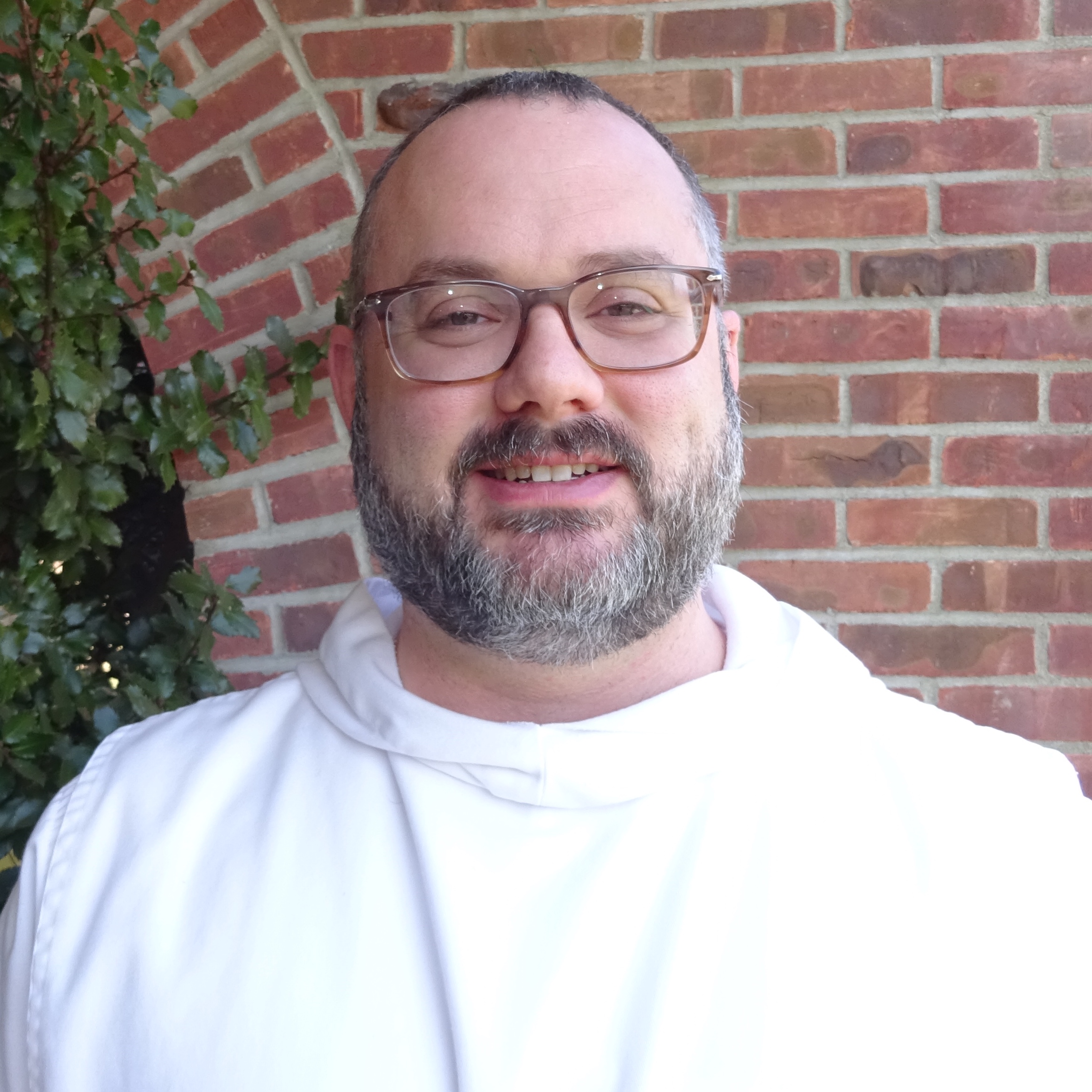
Br. Francis Beckham OHC
The Twenty-second Sunday after Pentecost, Proper 25 A, October 29, 2023
 

Leviticus 19:1-2,15-18
1 Thessalonians 2:1-8
Matthew 22:34-46


Click here for an audio of the sermon
 “Hear what our Lord Jesus Christ saith:
Thou shalt love the Lord thy God with all thy heart, and with all thy soul, and with all thy mind. This is the first and great commandment. And the second is like unto it: Thou shalt love thy neighbor as thyself. On these two commandments hang all the Law and the Prophets. Amen.”

These words of Jesus as recorded in Saint Matthew’s Gospel, so familiar to us in the Bible, the Lectionary, and – of course – the Book of Common Prayer, summarize not only the commandments, but the entirety of Jesus’ instructions to all who follow in the Way: past, present, and still to come.

Indeed, if we were to lose every part of the Gospel save for this single passage, we would still be able to live as followers of Jesus. That’s because there honestly isn’t anything more that needs to be said about Jesus’ teaching. We exist solely to love, because we were created completely out of love. And not only to love, but to love with our entire incarnational being: our hearts, our souls, and our minds.

There are, of course, other parts of the Gospel that could similarly stand on their own – the Sermon on the Mount, for example. But what those other sections have in common is that, at their cores, they are simply expositions of the greatest commandment proclaimed in today’s reading.

Jesus makes this declaration in response to a question craftily posed by a lawyer (or scribe) representing an assembly of the Pharisees. The question isn’t asked as a sincere request for teaching, but for the sake of trying to trap Jesus, to trick him in to tripping up, as it were, and making a response that could be construed as blasphemous or, better yet, dumbfounding Jesus and making it impossible for him to offer any answer at all, thereby utterly discrediting him and bolstering the Pharisees’ own image and agenda.

It’s a bold move, considering that, in this chapter of Matthew, Jesus happens to be right in the middle of a hot streak of shutting down various opponents. A few verses back, he had brilliantly avoided both blasphemy and tax-evasion by declaring “Repay to Cæsar what belongs to Cæsar and to God what belongs to God” when questioned whether it is lawful to pay the census tax. A little later, the Sadducees had a go at him, posing a seemingly impossible – and, frankly, ridiculous – question about marriage in an attempt to use Jesus to demonstrate their perceived notion of the fallacy of the resurrection of the dead. Instead, he proceeds to put their lack of understanding of both the Scriptures and the power of God on full blast, astonishing the crowds by his teaching. Both the Sadducees and the Pharisees would have done well to follow the time-tested maxim of trial attorneys: Never ask a question you don’t already know the answer to.

Of course, they really thought that they did know the answers. At least, they knew the answers as they related to their understanding of the Law as heard in the reading from Leviticus. In all three exchanges – the question about paying taxes, the resurrection of the dead, and the greatest commandment – influential groups attempted to use their self-serving interpretations of the Law for the purpose of manipulating public opinion, discrediting an opponent, and bolstering their own influence and grips on power. And it should have worked. After all, these were the most highly educated religious elites in Jerusalem, whereas Jesus was, at best, a charismatic, but almost certainly illiterate and impoverished, upstart preacher from way out in the boondocks – and, for that matter, only one of many such preachers who were active in first-century Palestine.

But while the cards must have seemed hopelessly stacked against Jesus in the eyes of the Sadducees and Pharisees with all their learning, prestige, and power, he had something they lacked; Jesus had understanding of the simplest, yet most profound, Truth: that the entirety of the Law of God is the Love of God, and that all services rendered in the name of God – whether preaching, teaching, praying, parenting, studying, engaging in daily labor, or performing acts of mercy, charity, and justice – must be carried out in absolute love of God and those beloved of God, which is everyone.

Anything we try to do apart from God’s love is destined to fail. The Pharisees’ lawyer demonstrates this by putting Jesus to the test according to an interpretation of the Law designed to serve the love of earthly power rather than the divine Love of God. In other words, sin. But we can hardly demonize him for it. After all, we all do it. In my own life – both before and after entering the monastery – I have continually struggled to model my actions, thoughts, approach to relationships, ideas, perceptions, and attitudes according to the Love of God as revealed in the life and example of Jesus of Nazareth. Fortunately, even when I’m at my most self-serving, the Spirit manages to nudge me back on track (even if only briefly), usually by the example of someone else: Another monk observed pausing to hold open a door for someone carrying a box; a world-wearied guest seen taking time away from the rat race to focus on God for a few days rather than on work, school, or the general stresses of life.

The reason these things are such effective reminders of God’s love is that it’s all the same love. We all share one love with God and with each other. When we see it happening in someone else, it immediately looks and feels familiar (or, at least, irresistibly desirable). It sparks a reaction in the deepest parts of ourselves. Just as we all breathe the same air, so too are we all sustained and nourished by the one Spirit of God moving and stirring within us. It’s only when we decide to strike out on our own, away from God and against other people – those we know and those who will remain unknown to us until the heavenly banquet – that we struggle to experience that holy breath, that love of God. And we can never separate ourselves from other people without separating ourselves from God. But it is always a self-imposed exile; God never cuts us off. And by God’s grace, we always have the possibility of coming to our senses, and choosing to draw in air, sometimes consciously, at other times involuntarily through desperate, spastic gasping. If we choose otherwise then, deprived spiritually and physically of the life-giving love that fills every being and corner of Creation, we will perish.

Our own time is no different than the one in which Jesus and the first followers lived. Powerful rulers, institutions, and ideological forces still seek to feed their own passions for power and idolatrous wealth. And the methods have hardly changed, either: namely, attempting to blind people to the love of God present within all of us with deception, lies, fear-mongering, violence, and bigotry. Yet, in the midst of a culture fixated on division and death, Jesus assures us that we always have the option – and, indeed, the duty – to choose the Law of Love; in doing so, we fulfill not only the Law, but also our own shared and wonderfully interwoven destiny with God and one another.

May peace and all that is good be with each of us and those we love today and always. Amen.


Sunday, October 22, 2023

Proper 24 A - October 22, 2023

Holy Cross Monastery, West Park, NY

Br. Luc Thuku OHC
The Twenty-first Sunday after Pentecost, Proper 24 A, October 22, 2023
 

Exodus 33:12-23
1 Thessalonians 1:1-10
Matthew 22:15-22


Click here for an audio of the sermon


In our first reading this morning, we hear Moses having a dialogue with God. Like most people who want a sign to believe or confirm something, Moses despite numerous Scripture passages before indicating that he spoke with God face to face, wanted God to show him a sign. He wanted another indicator. He had had many along the way. He had witnessed some very remarkable and unusual demonstrations of the divine; the burning bush, a staff that became a snake, the Red Sea parting in two, tree twigs that cleaned up polluted water, a pillar of cloud leading him and the people by night and a cloud by day, manna falling from heaven like dew and numerous other wonders. He still wants further clarity and he prays cunningly like I do, first trying to justify his position and kind of blackmailing God by reminding God of God’s part in the deal as we heard in verses 12 and 13.

Moses also asks God to guide him clearly along the way, to teach him His ways; a good thing indeed! Most of us like being guided. We crave to be taught God’s ways. We like to know the paths we are to take, to be shown the right way. We are a people hungry for guidance. We long for direction. We are like wanderers lost in a jungle or in a desert who cry out to God to show them the way or even to give them a sign in the sky! God however created no sign for Moses in the sky, nor laid a blue print down on how things will proceed. He did something better.

God replied Moses’ prayer, his request for a sign, by assuring him that God’s presence will go with him and that God will give him rest(Exodus 33:14). God personally and providentially led Moses and the nation of Israel. He offered to be the guide as opposed to offering guidance. He promised to accompany them and to be with them. He was not going to be an isolated God who lived in some heavenly domain but rather a God who chose to come down and live among His people. He would walk with them side by side as a friend.

Guidance for a Christian comes from an ongoing relationship with God. God wants us to know Him. Being guided by Him is part of that relationship. It is better than signs in the sense that signs are temporary whereas a relationship is permanent. Signs can be misread, misinterpreted, and in some cases not seen at all. God wants to lead us in our journeys, every step of the way through rain and sunshine.

In the verse immediately preceding the start of our passage today, verse 11 of Exodus 33, we are told that “the Lord spoke with Moses face to face just as a man speaks with his friend.” This verse speaks of the reality and depth of communion between Moses and God. Moses was God’s friend not because he was perfect, gifted or powerful. They were friends because friends trust each other and talk to each other on top of sharing common interests. God did not always provide a signpost or send Moses memos to direct him but that did not matter. He knew with whom he was going and that was all that mattered! We as Christians must get to know God first if we want to know God’s will. The guidance revolves around the relationship. If we seek the guide more that guidance, we will see the sign we are looking for and on top of that wonderful benefits.

The greatest of the benefits that comes from being in a relationship with God is His enduring presence. God, the ruler and creator of the universe walks with us, He is our companion, our friend. The whole world may walk out on us but God never will. We have His word on that. God also promises us rest as He promises Moses in verse 14…“and I will give you rest!” The rest promised here is a rest that happens while we are still on the journey, a rest that reaches down to the inner depths of our being. It is not like our weekly Sabbath rest, our annual vacations or family visits, or even the retreats that we do. It is not a mere cessation of our activities or struggles but a calmness, a fulfillment, a security that only comes from knowing and walking with God. It is solitude…a solitude that gives us wisdom to find God and His ways. It comes to us as a testimony of trust, the knowledge that gives us feelings that make us confident, secure and victorious.

God’s presence makes us a holy people, a people set apart and distinct. This distinguishes us from the rest of society, not because we are special or better than they are. We are different not because of what we do but rather because of what God does in and through us. We are holy only when we take God’s accompanying presence seriously. When we are consciously and continually aware of God’s presence, it will impact our talk, our behavior, and our thoughts. It causes us to think differently, act differently, love differently and serve differently. It calls us to stand out in the crowd, to be distinct, to be separate and even to be unusual.

In verse 18 of our text, we hear Moses pleading with God to let him see His glory. This glory accompanies God’s presence because of God’s majesty. The heavens declare this glory, creation testifies to it and authentic Christians reflect it. The glory of God is all around us. We come to understand and sense it, not in its entirety just like in the case of Moses because of our human condition.

God also promises Moses His goodness. The goodness of God is a concrete manifestation and experience of what God has done and is still doing in the lives of His people. God also promises to be gracious to whomever He is gracious and to have compassion on whomever He chooses to have compassion. The grace of God is therefore an unmerited favor…It is a gift. Many times on our earthly journey we may deserve justice but God instead grants us favor. This is because God’s heart is of love and compassion.

God’s glory, goodness and grace are however interesting in the sense that we mostly see them afterwards not when they are happening. We mostly see them when we look back and see how God has shown up and worked for us. We see bad situations having worked for our good. We see the misfortunes and tragedies that befell others and say “it is only by God’s intervention that I survived!”

Moses wanted to see the glory of God. He wanted to see God’s face but God knew it would overwhelm him and kill him. God therefore hid him in a crevice of a rock and covered him with God’s hand until God has passed and  then removed the hand so that Moses could see the back of God. Moses did see the visible appearance of God, not God’s face but back. We too like Moses are being led by God if we have developed a relationship with Him. We do not see God’s face but His back. We do not see His face because we cannot see Him coming. We see His back because we see where He has been and what He has done. God does not point the way but He leads the way.

This is the point that Jesus is making in the Gospel today when he tells us to give to Caesar what is Caesar’s and to God, what is God’s. We belong to God who never abandons us. We can only lose God if we turn our backs on him which then means that we are no longer following Him. We give to God what belongs to God, in other words, ourselves. We take the trust of God and invest it in lives of worship. Sometimes that worship is in private, at other times it is corporate and the rest of the time it occurs in the sphere of our daily work and service. Ultimately, giving ourselves to God means that we give ourselves to the world but there is a caveat to giving ourselves to the world, that is, we should only give ourselves to serve the world but not to its ‘values’ which most of the times turn out to be vices.

Most of our denominations, especially the so called Liturgical or High Churches, have exchanged the message of repentance and salvation with the pursuit of Human Rights and Social Justice in their attempt to fit in the world or being ‘woke’ as it is being called nowadays, and this is not a bad thing, but it is not THE thing. It is difficult at times to tell the difference between some denominations and human rights organizations like Amnesty International or Human Rights Watch. Unfortunately not every right that is claimed by people is morally upright or in accordance with God’s will, or leads to a relationship with God. The church in the world is called to stand as a moral compass, a sign of contradiction; and that we cannot do by baptizing evil or blessing evil and convincing ourselves that it is now holy. We deceive ourselves and mislead others in the process and only repentance can save us from the wrath of God that we heard is coming from the second reading. The Evangelical and Pentecostal Churches are also fairing no better. They have exchanged the true gospel with prosperity gospel and fake miracles all in the pursuit and service of wealth and fame…and what about monasteries that are supposed to be a prophetic voice, first to the church and then to the world? Most have been sucked in by denominational values and principles, by self-preservation efforts, and by working for financial security and stability henceforth rendering to Caesar instead of giving God what is God’s.

The call this morning my brothers and sisters is for us to offer ourselves afresh to God, to receive Him in our lives and to allow Him to guide us in all that we do and are. He sent His son Jesus to facilitate this relationship. It is that Jesus who is inviting us this morning to come to him just as we are. It doesn't matter where you are at, what you have done or how worthy or unworthy you feel. Signs are increasingly becoming evident that the end of the world as we know it is here and if we are true believers of the Word, then we know that there is judgement coming followed by eternal life or eternal damnation. Choose wisely, choose life.

AMEN

Sunday, October 15, 2023

Proper 23 A - October 15, 2023

Holy Cross Monastery, West Park, NY

Br. Robert James Magliula OHC
The Twentieth Sunday after Pentecost, Proper 23 A, October 15, 2023
 

Isaiah 25:1-9
Philippians 4:1-9
Matthew 22:1-14


Click here for an audio of the sermon


Today’s gospel is a collage of contradictions and inconsistencies: a wedding banquet and a blood bath; messengers of good news, and killers of those messengers; an enraged king who sends troops to destroy his own citizens; an open invitation to all and the exclusion of one who accepts the invitation. This parable is so outrageous, so shocking, that it begs to be taken seriously not literally. It just does not fit with the God revealed by Jesus Christ throughout the gospels. It’s a mirror holding before us all the contradictions and inconsistencies of our lives, our country, and our world. Jesus, in today’s gospel, is challenging our preconceived ideas and expectations so that we might see, hear, think, and ultimately, become something new. Every text invites us to struggle not just with the text itself but with the text in our life, and to work out our faith in light of that struggle. 


My first thought on reading the Gospel was Jesus was not describing God’s kingdom but the one we have created for ourselves. We have more than enough leaders and groups throughout the world who are abusing their power, where violence is perpetrated on a daily basis, where people’s lives are being destroyed, where cities are bombed and burning, where many are excluded and told they don’t belong. Over the centuries we haven’t needed God’s help to bring this about. We’ve gotten very good at it ourselves. The contradictions and inconsistencies in our lives, country, and world are telling us that we are betraying ourselves, one another, and God.
 

No doubt, this is a parable of judgment, but it may not be the judgment we think it is. We tend to get nervous and fearful when God begins making judgments. It leaves us wondering whether we are in the right group. Are we unworthy or worthy? I suspect our nervousness and fear about God’s judgments arise from the assumption that God judges us in the same way as we judge others. More often than not our judgments of others are judgments of exclusion. What if it’s just the opposite with God? What if Jesus is trying to shock us into seeing that the kingdom of God is not business as usual according to our standards? What if God’s judgment on our lives is one of grace, acceptance, and invitation; a judgment of inclusion?
What separates or distinguishes the first guests from the second in the parable isn’t that one was more deserving than the other. Both the first and second guests were the recipients of the king’s invitation and favor. And so was the person who showed up without a wedding robe. They were all invited. They were all favored. None of them had done anything to earn or deserve an invitation. The king‘s sole motivation is to share his banquet, to join in his joy and celebration. Both groups were given the same opportunity. There’s no distinction made based upon behavior, beliefs, attitudes, or morals. To the contrary, with the second round of invitations the king sends his servants into the main streets with the instruction to “invite everyone you find.” And they did. They “went out into the streets and gathered all whom they found, both good and bad.”
 

The only thing that distinguishes the first guests from the second is that the second guests showed up. The first guests did not. The key to our life in God is to show up, to be present. That’s a lot easier said than done. To be present is difficult work. I’m reminded of how true this is whenever I make a visitation to one of our houses. To be present to another requires establishing the other as a priority, seeing them for who they are and not who we want or think they should be. It means opening ourselves to vulnerability. It means listening, letting go of our own agendas, distractions, fears, and prejudices. If we’re not doing that with others we’re probably not doing it with God. Instead, we too often go our separate ways. We’re too busy, too tired, too distracted. To be present. We’re convinced we have better things to do and better places to be. That’s what the first guests did.
 

To show up and be present is to be worthy before God. We don’t earn or prove our worthiness as a prerequisite to entering the banquet. We show up and discover for ourselves the worthiness God has always known about us. But what about the one who showed up without a wedding robe? This is about more than just a dress code. I think that something else was missing. “He was speechless”, we are told. It was as if he wasn’t really there. There are times when we show up but we’re not really present. Our body is there but we’re not. Jesus is telling this parable hoping to shake us up, hoping to wake us up. When we are present, we will know his Presence. It is that simple and that hard. God is always inviting; Christ is always present. It’s we who are not!
 

To ignore and gloss over the contradictions and inconsistencies in today’s gospel is to ignore and gloss over the contradictions and inconsistencies in our lives and world. Showing up comes not from willpower but from a wholehearted acceptance of the invitation. And it is the task of a lifetime.  +Amen
God of Love who holds all things together in yourself.  Draw us ever nearer to you and to one another, that all may come into the reach of your saving embrace.  Amen.